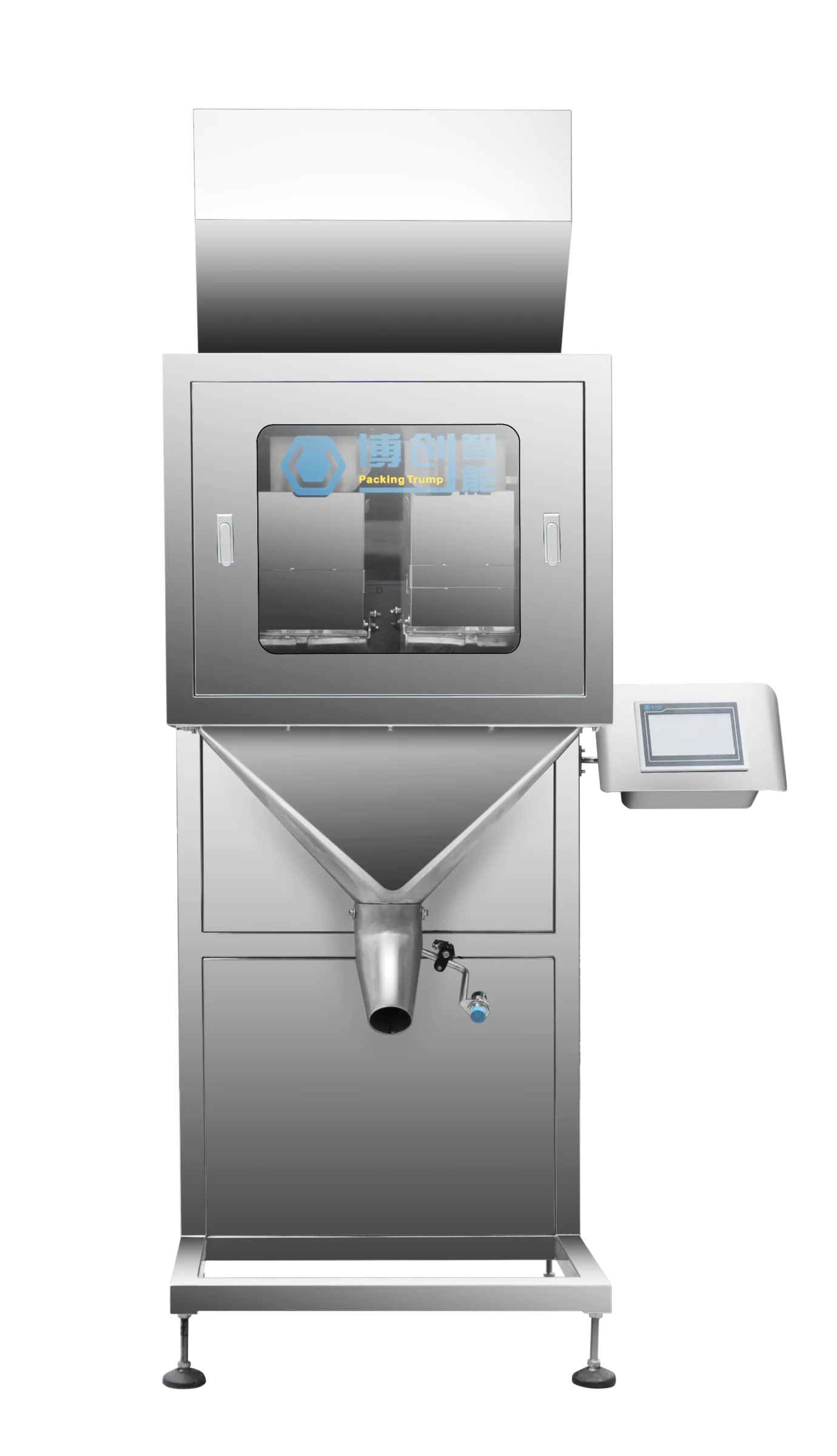
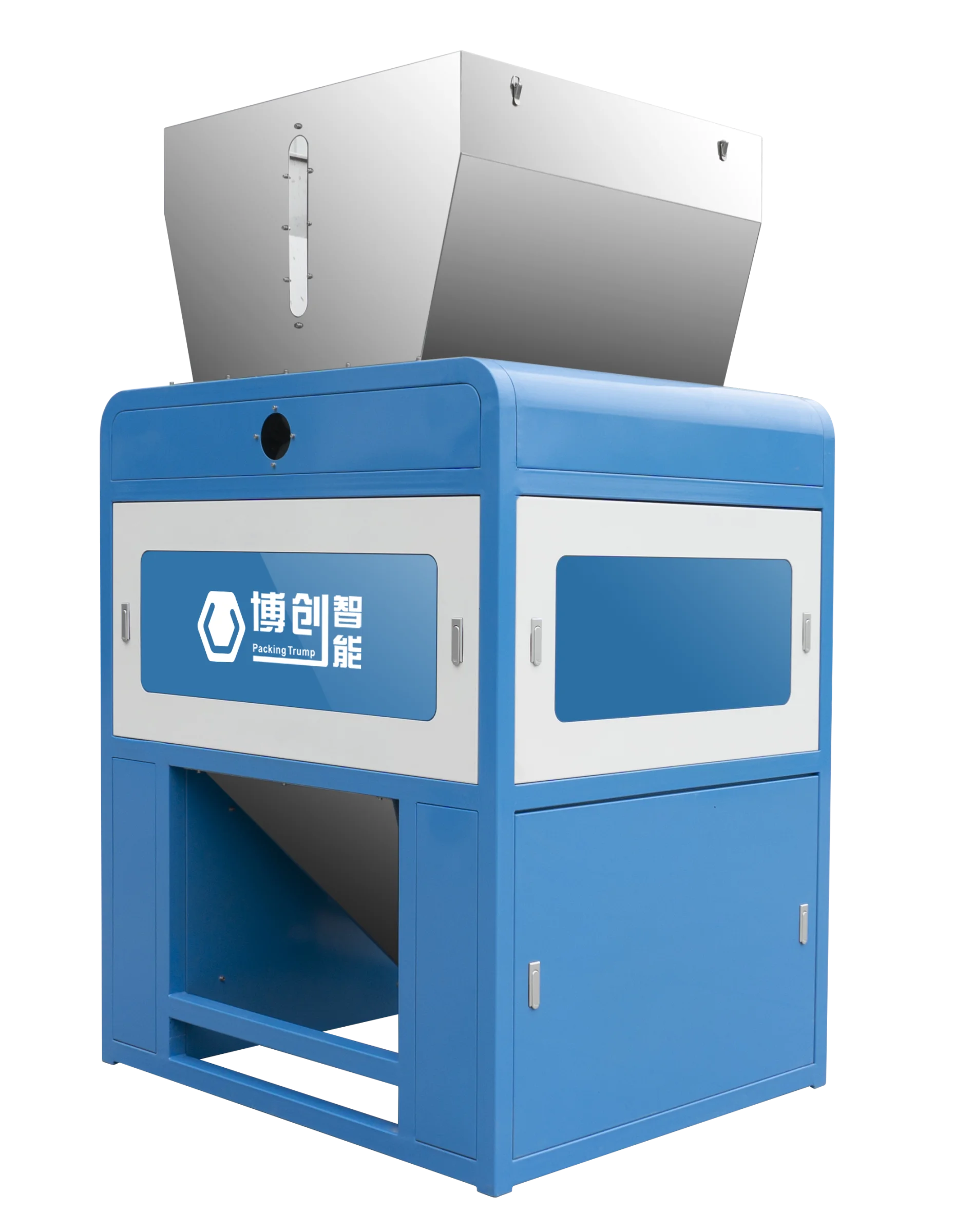
Z5F 6-Heads Linear Weigher
- Siemens PLC, Transcell/Mettler Toledo load cells
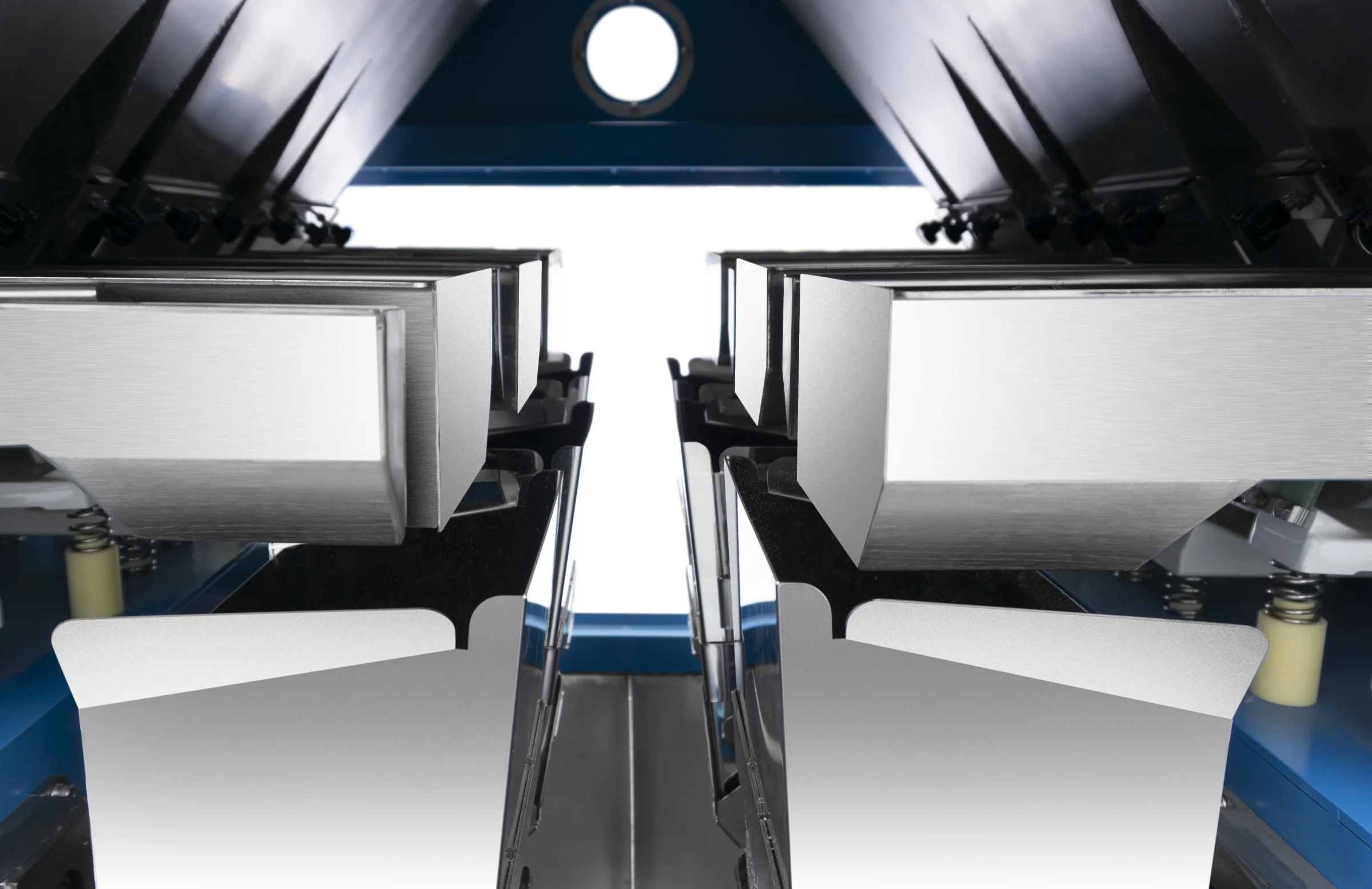
- three-stage vibratory feeding, and motor-driven hopper discharge
- All parts contact supplies are made of 304 stainless steel
Description
Automatic Weighing Process and Working Principle
The weighing system is designed to provide accurate, efficient, and consistent material measurement through a controlled automatic operation. The process begins when the operator enters the required target weight using the machine's control interface. Once the desired weight is configured, the operator presses the start button to activate the weighing cycle. The system then coordinates material feeding, weight measurement, and hopper discharge to complete each weighing operation. This automated working principle helps reduce repetitive manual tasks, improve weighing consistency, and support efficient material handling in industrial packaging applications.
Target Weight Setting Through the Control Interface
Before starting the weighing operation, the operator sets the desired target weight through the control interface. This allows the weighing system to measure materials according to the required quantity for each production cycle. The target weight serves as the reference value for controlling the feeding and discharge process. Proper weight configuration is important for maintaining consistent material quantities and reducing variations between weighing cycles. Once the required settings are entered, the machine is ready to begin the automatic weighing process.
Controlled Material Feeding from the Storage Hopper
After the start button is pressed, the feeding device begins transferring material from the storage hopper into the weigh hopper. The storage hopper holds the material before measurement, while the feeding mechanism delivers it to the weighing section. This arrangement supports an organized material flow and helps maintain a continuous supply during operation. The feeding process is coordinated with the preset target weight so that the required quantity of material can be measured efficiently. Consistent feeding is particularly important when handling granular products or other materials with varying flow characteristics.
Accurate Weight Measurement Using Load Cell Sensors
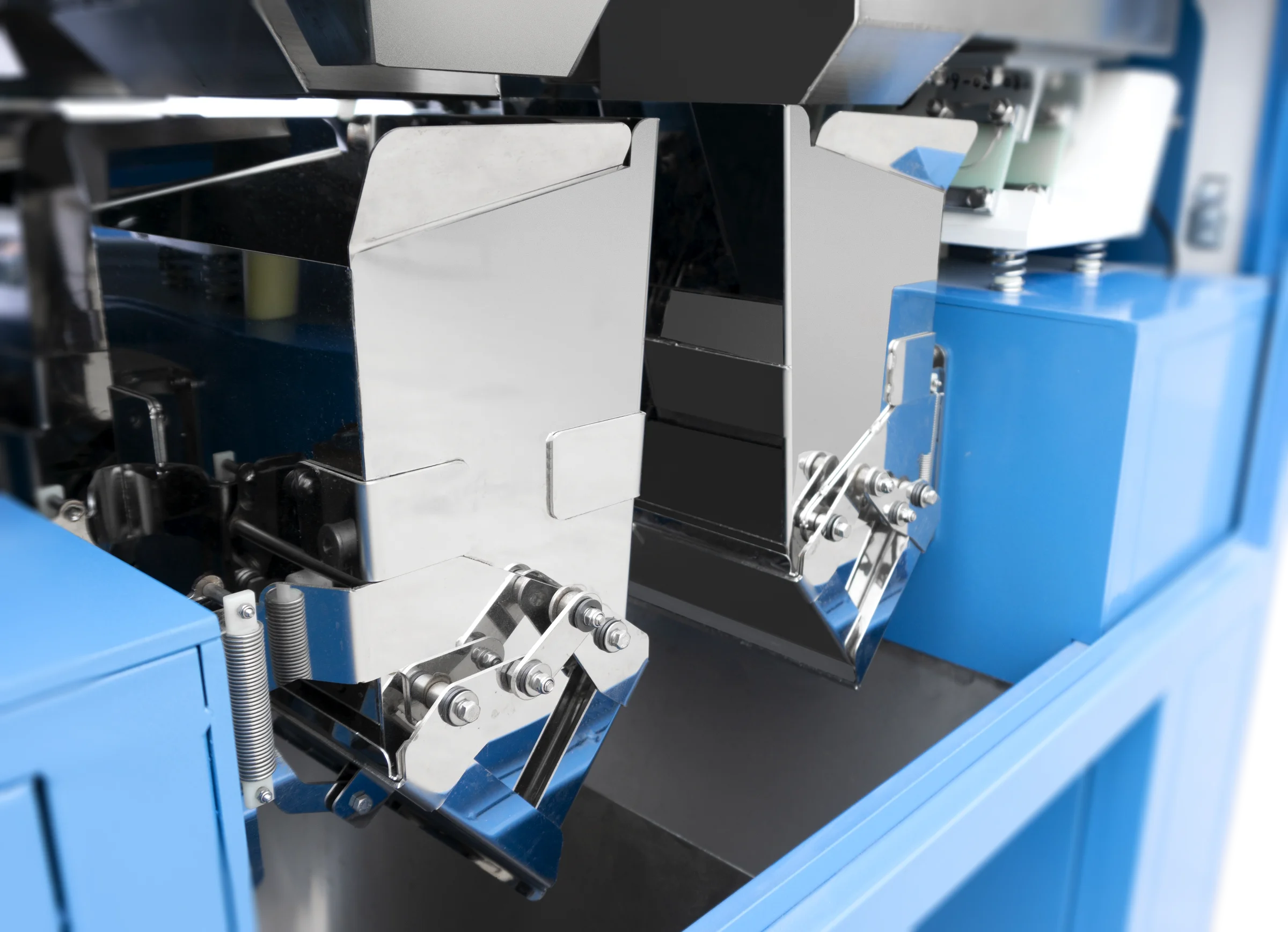
The weigh hopper is equipped with load cells that measure the weight of the material entering the hopper. These sensors convert the applied load into an electrical signal that the weighing control system uses to monitor the accumulated material weight. As material enters the weigh hopper, the system continuously evaluates the measured quantity against the preset target weight. Load cell technology supports accurate weight detection and helps maintain consistency throughout repeated weighing operations. Actual weighing performance depends on material characteristics, sensor calibration, feeding conditions, and machine settings.
Automatic Hopper Discharge After Reaching the Target Weight
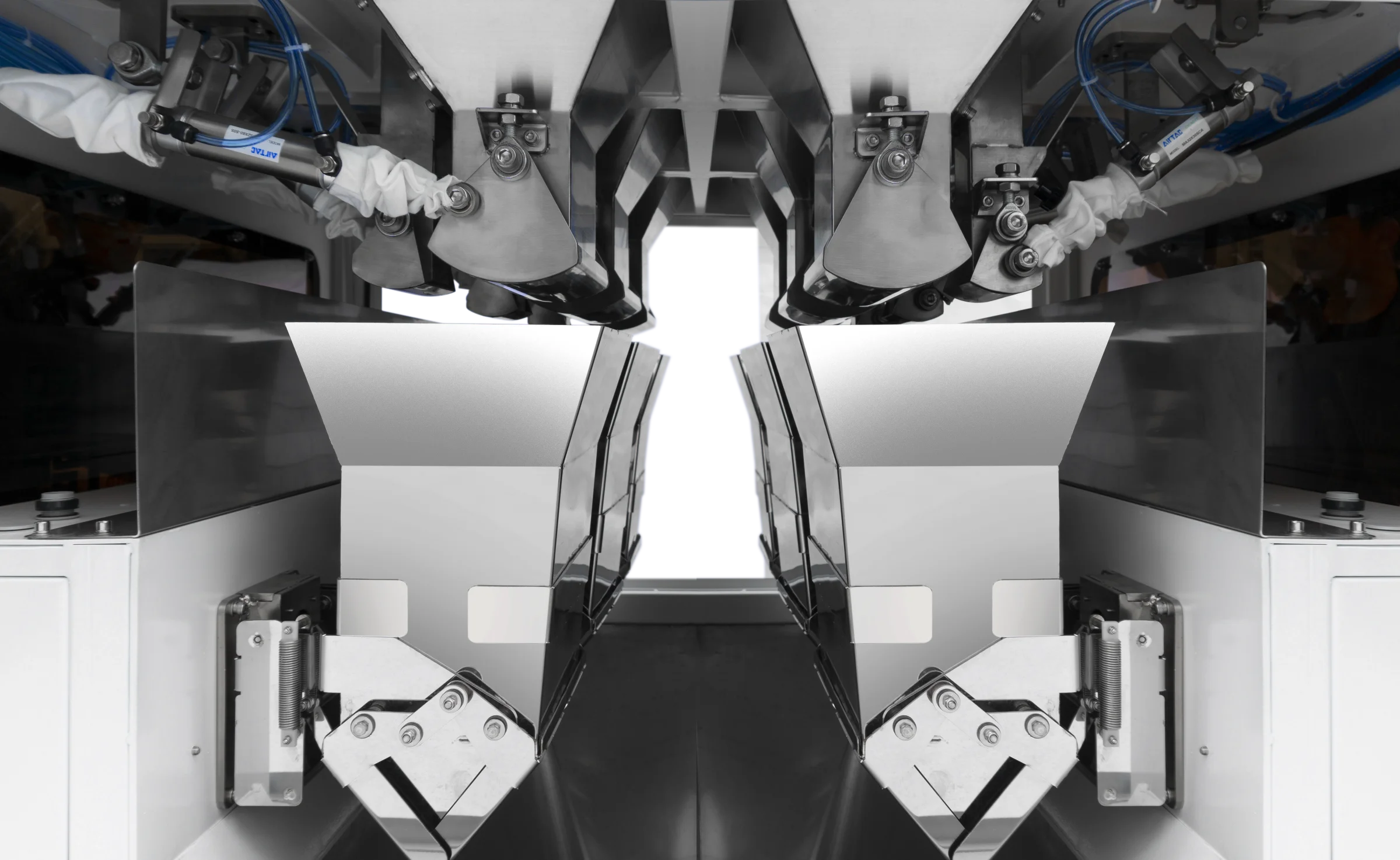
Once the weighing system determines that the material has reached the preset target weight, the hopper discharge mechanism is activated. The measured material is then released from the weigh hopper for collection or transfer to the next processing stage. This automatic discharge function helps reduce the need for manual emptying and supports a more efficient weighing workflow. The discharge operation is coordinated with the weighing cycle to ensure that the measured material is released before the next batch is processed. Proper hopper operation and material flow are important for maintaining consistent discharge performance.
Continuous Weighing Cycles for Efficient Production
After the weighed material is discharged, the system proceeds to the next weighing cycle. The feeding device delivers another quantity of material into the weigh hopper, and the load cells measure the weight according to the configured target value. This sequence of feeding, measuring, and discharging can be repeated to support ongoing production requirements. The automatic weighing cycle helps manufacturers reduce repetitive operator involvement while maintaining consistent material quantities. Production efficiency depends on the selected target weight, material flow properties, equipment configuration, and discharge conditions.
Benefits of Automated Weighing and Material Discharge
An automated weighing system offers several operational advantages for manufacturers handling measured quantities of bulk materials. By coordinating material feeding, load cell measurement, and hopper discharge, the equipment can help reduce manual weighing tasks and improve process consistency. Controlled weighing also helps minimize unnecessary material variation between batches when the system is correctly configured and maintained. These benefits make automated weighing equipment useful for food processing, agricultural products, granular material handling, and industrial packaging applications where repeatable weight measurement is important.
Reliable Weighing Performance for Industrial Packaging Applications
The combination of an operator control interface, material feeding device, storage hopper, load cell weighing system, and automatic discharge mechanism provides a practical solution for industrial weighing operations. Each component performs a specific function within the weighing process, helping coordinate material transfer and measurement. Proper operation, routine calibration, and regular maintenance are important for maintaining consistent results. Manufacturers can use this weighing process to support efficient material preparation and packaging workflows while reducing the need for repeated manual measurement.
Technical Specifications
| Package Weights | 200g – 3000g |
|---|---|
| Package Cycle Speed | 30 - 40 bpm |
| Dimensions | L1300×W1100×H2000 mm |
| Electrical | 380V 50Hz 1.5kW |
| Pneumatic | 0.6MPa |
| Routine Storage | PLC |
| Environment | -10℃ to 50℃ |
| Gross Weight | 300kg |
Related Products
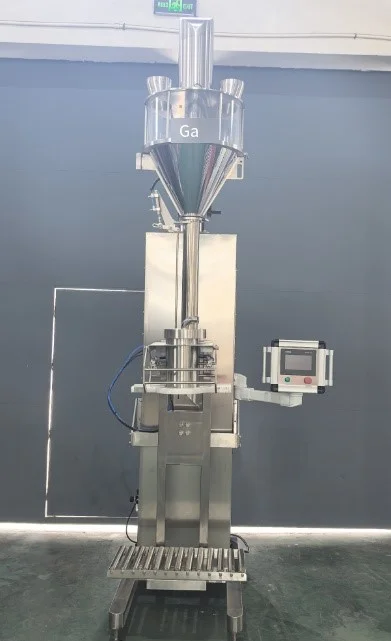
L25G Lifting Weighing Scale
View Details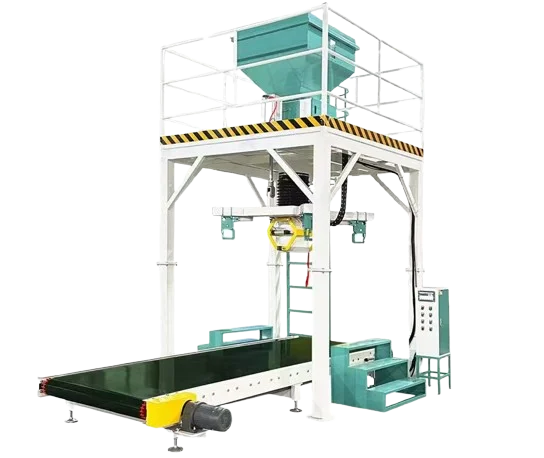
D1000 Bulk Bag Scale
View Details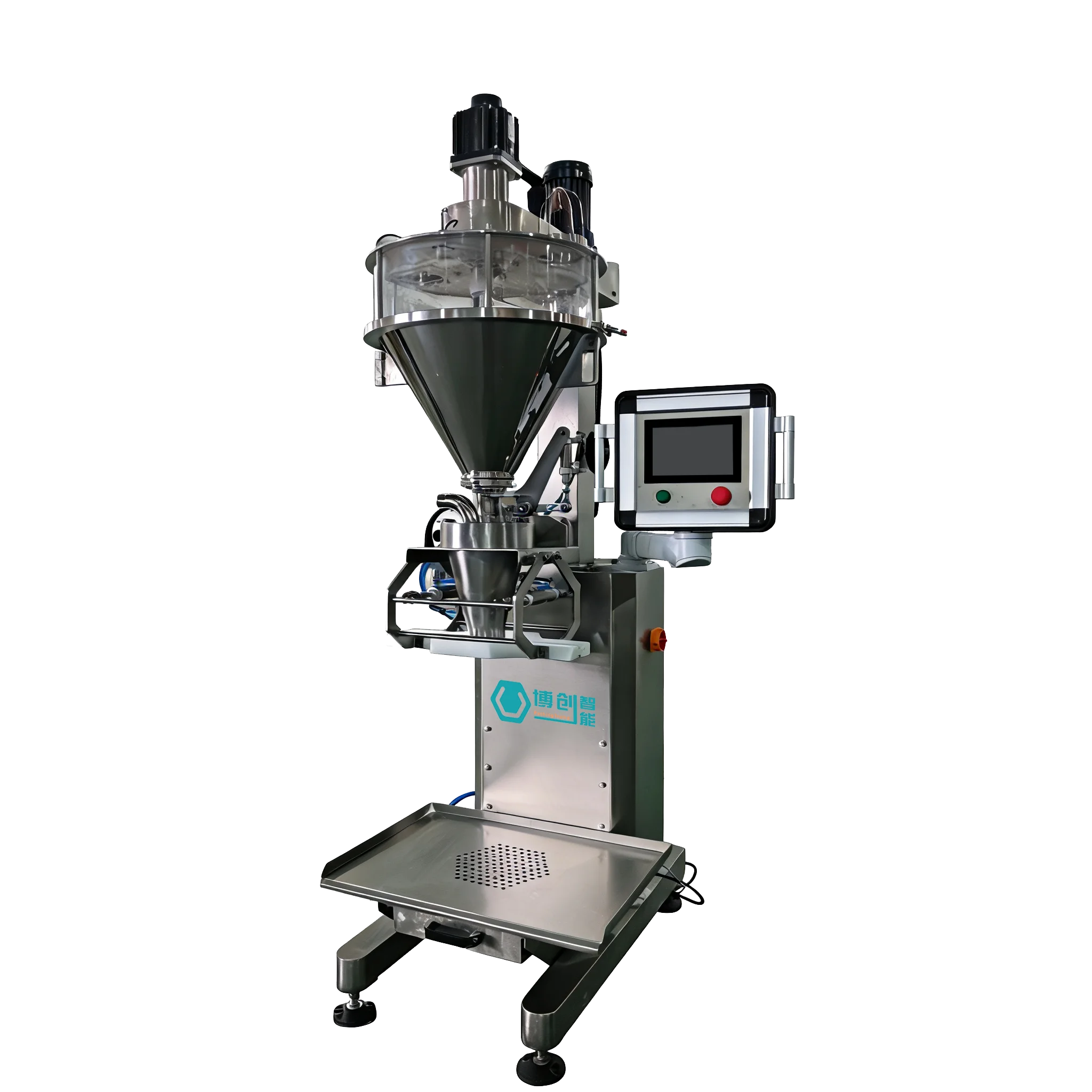
Lifting Powder Metering Scale
View Details